Small spaces can be some of the most fun to decorate with art.
You don’t need a huge living room or a long empty wall to make an original painting work. In fact, a smaller room can make artwork feel even more special because every piece has a chance to stand out.
If you’re trying to choose abstract art for a small space, here are a few ideas I think are worth trying.
1. Don’t Assume You Need a Small Painting
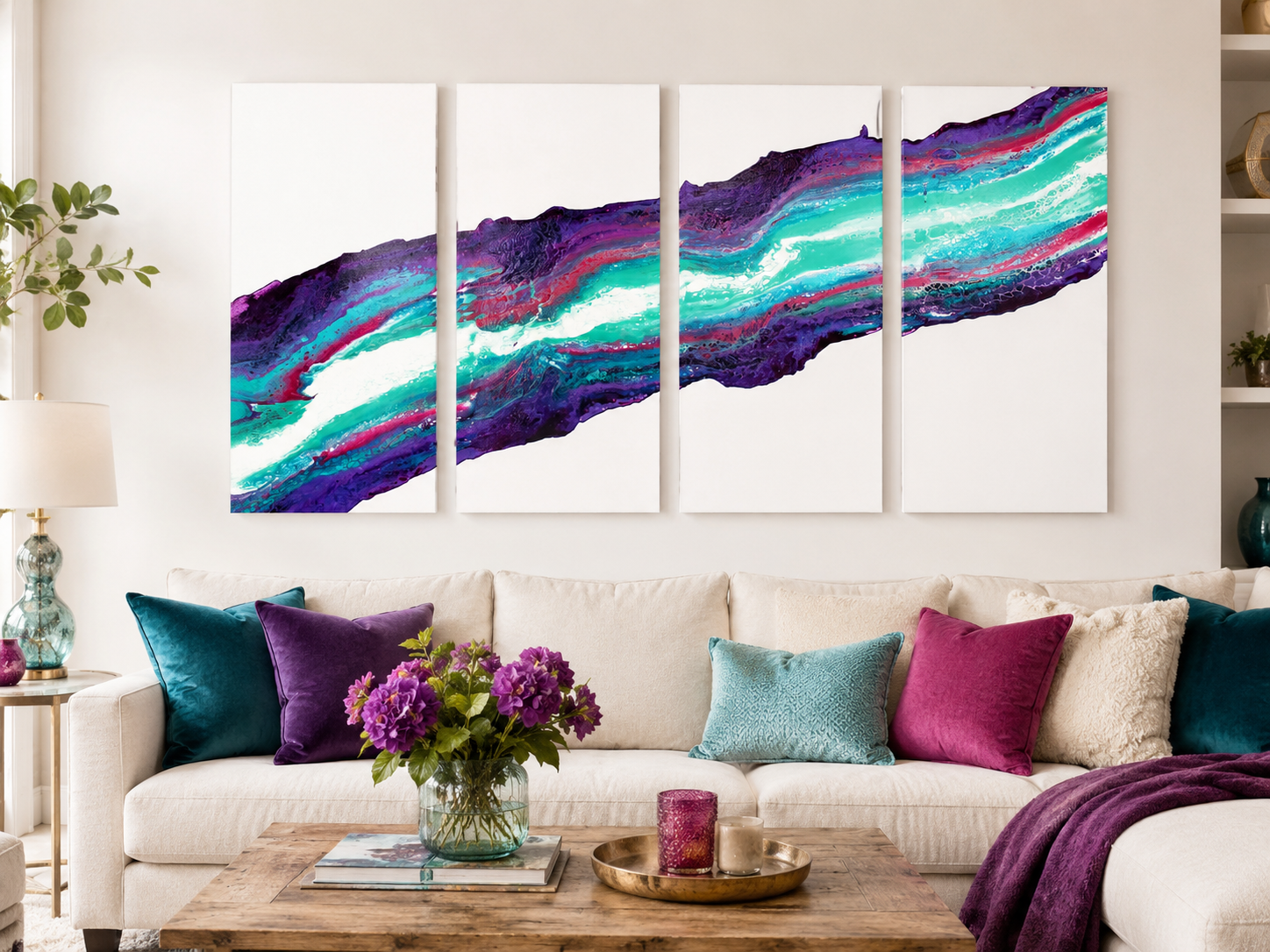
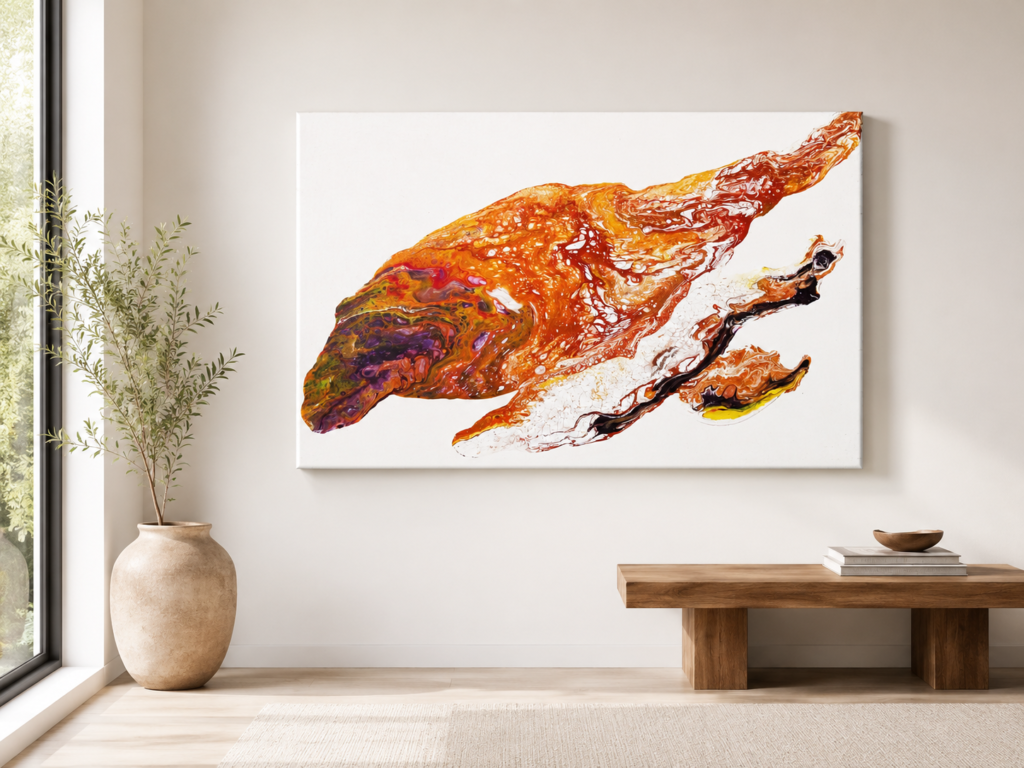
It sounds backwards, but a large painting can work surprisingly well in a small room.
Instead of making the room feel cramped, one bold piece can create a clear focal point and actually make the space feel more intentional.
A large abstract painting above a sofa, bed or dining table can draw the eye and give the room structure without needing lots of extra decoration around it.
If you love a bigger piece, don’t rule it out just because your home is compact. Measure the wall, check the proportions and see how it feels.
Sometimes one strong painting works better than five tiny ones.
2. Embrace a Gallery Wall
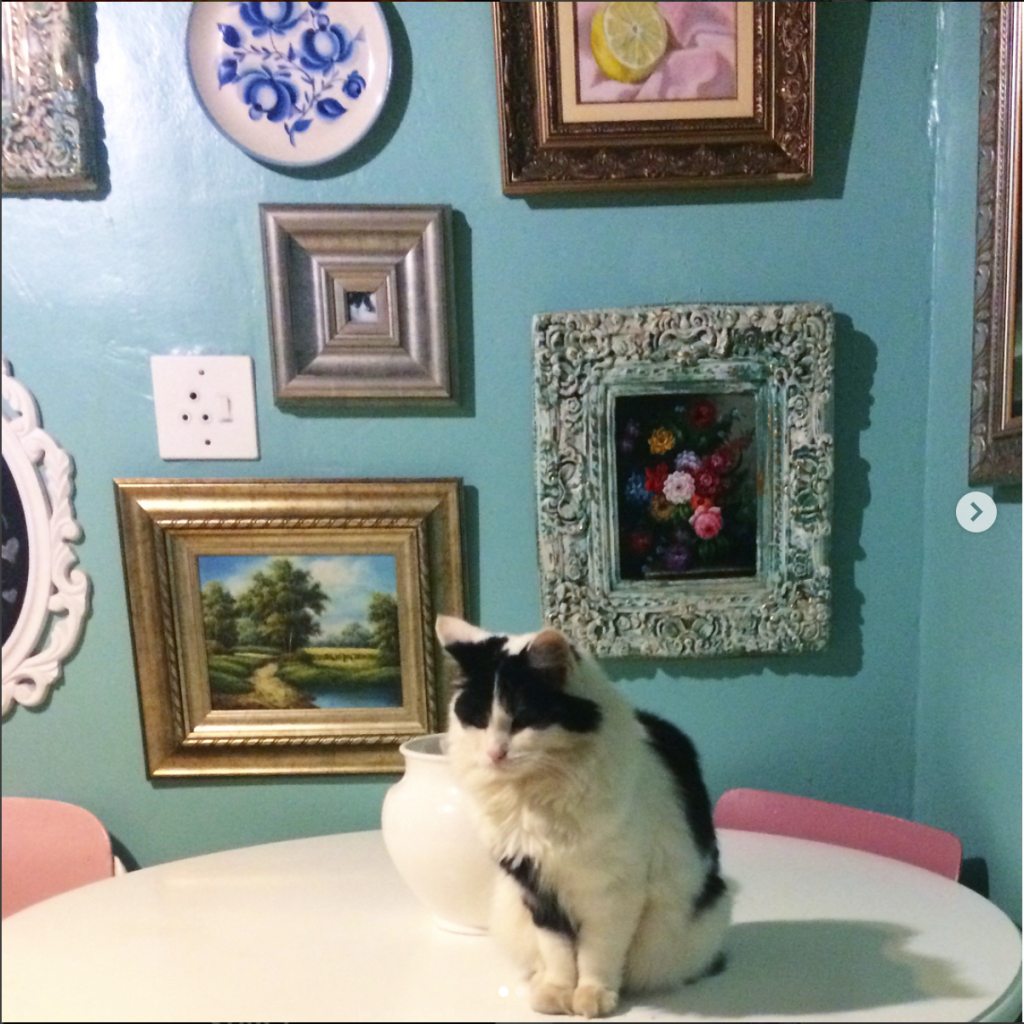
On the other hand, if you love a more collected, slightly cluttered look, a gallery wall can be perfect.
Small spaces don’t always need to feel minimal.
A wall filled with paintings, prints, photographs and little objects can give a room warmth and personality, especially if you enjoy an eclectic style.
You can keep the arrangement loose and playful, or use a more organised grid if that suits your home better.
Abstract paintings work especially well in a gallery wall because they bring colour and movement into the mix without needing to match everything else exactly.
You can even start with one or two pieces and add to the wall gradually.
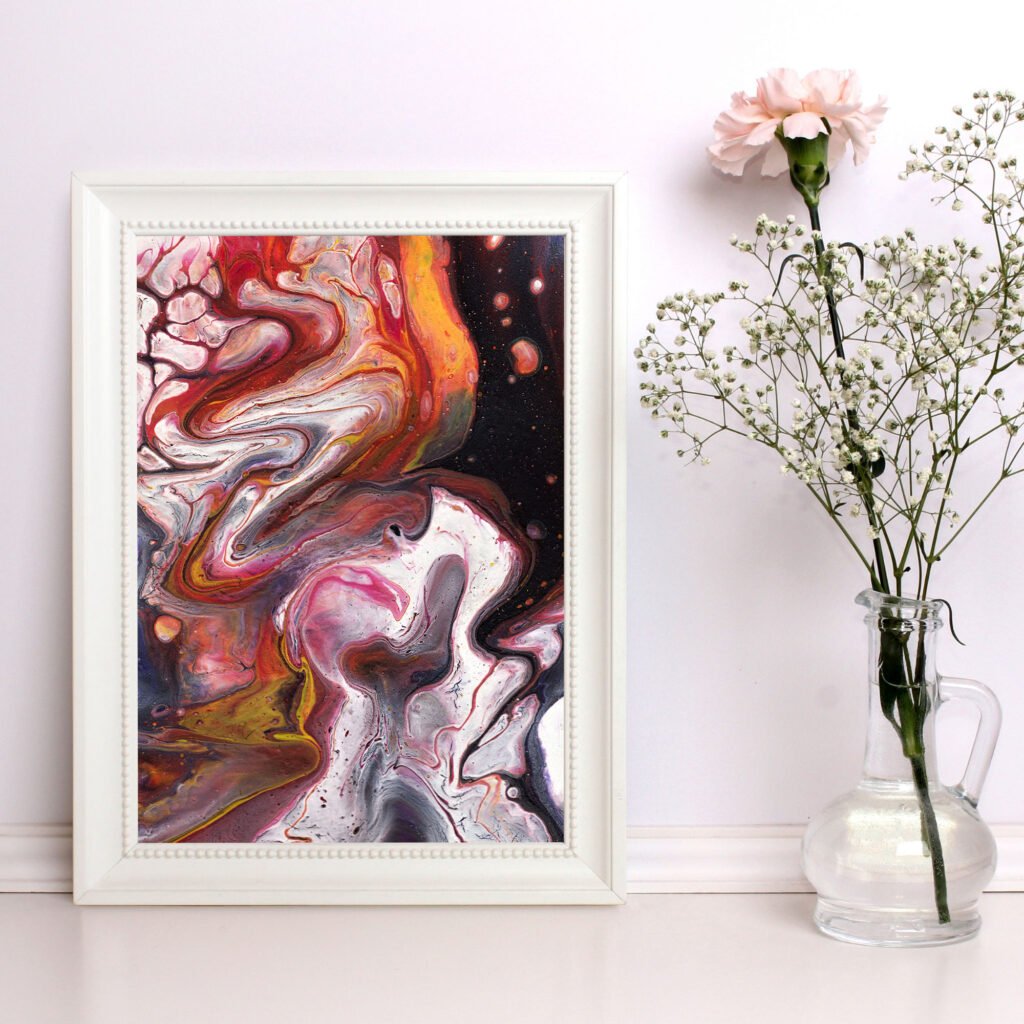
3. Use Small Paintings in Awkward Spaces
Some of my favourite places for small paintings are the spaces people often ignore.
Think about that narrow wall beside a doorway, the gap between two windows, the little area above a bedside table or the end of a passage that feels a bit empty.
A small painting can completely lift one of these awkward spaces.
It doesn’t need to become a feature wall. Sometimes a little burst of colour is enough.
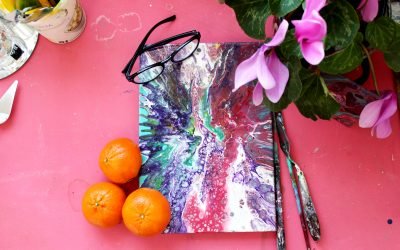
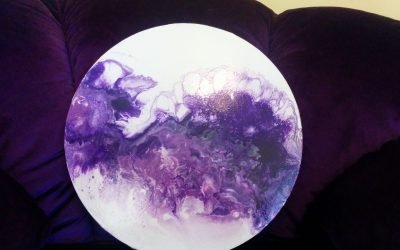
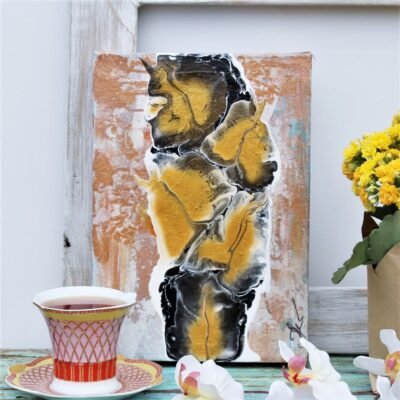
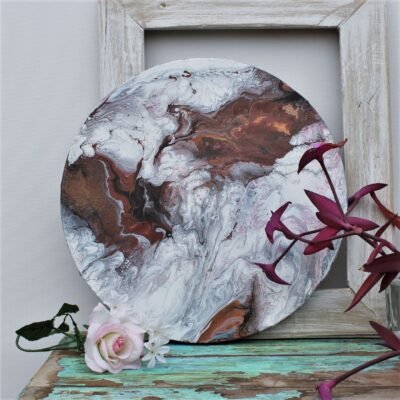
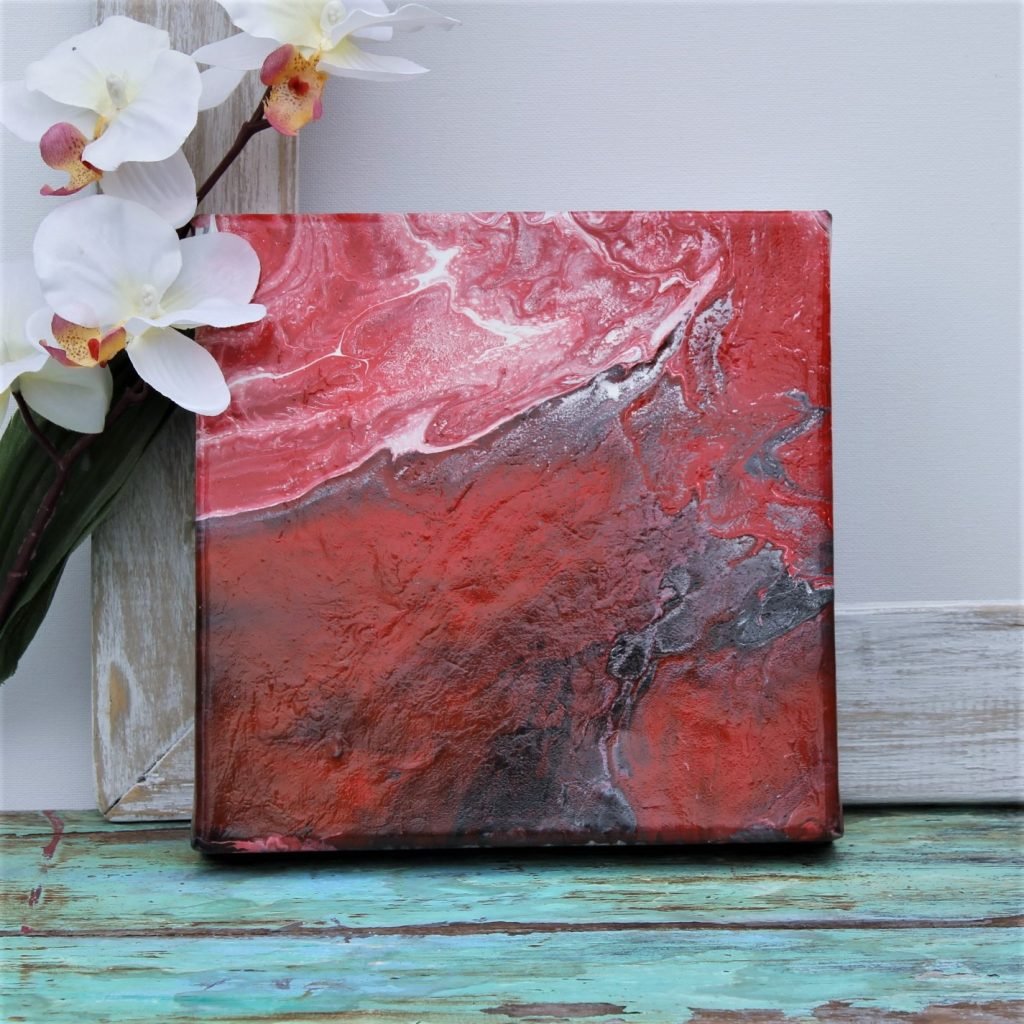
A compact piece like Are We Moving can work beautifully in a spot like this because it adds personality without taking over the room.
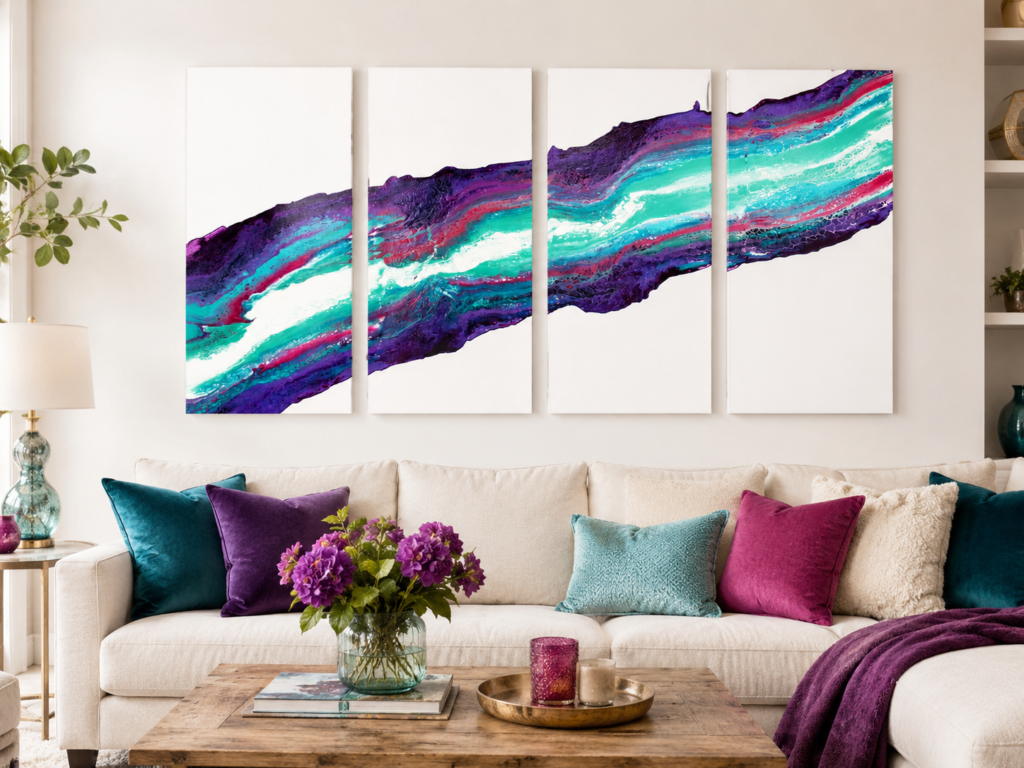
4. Choose a Series for a More Structured Look
If you like the idea of several paintings but don’t want a gallery wall to feel too busy, a series of artworks can be a great middle ground.
Two, three or four paintings with a similar colour palette, size or style can fill a wall in a much more structured way.
This works particularly well above a sofa, dining table or desk.
A row of smaller paintings can create the impact of one large artwork while still giving you a little more flexibility.
You can also leave even gaps between the pieces to keep the arrangement clean and balanced.
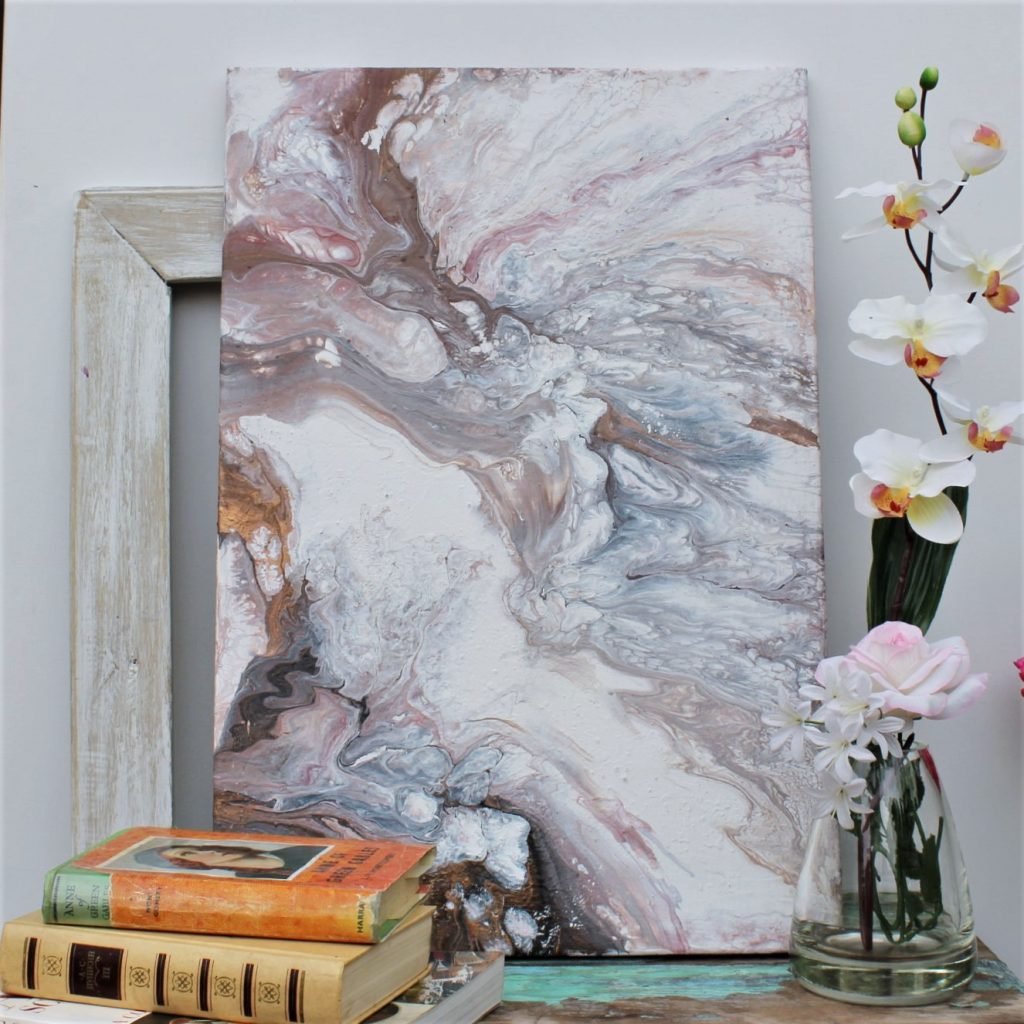
5. Try Lighter Colours for an Airier Feel
If your room already feels quite small or dark, paintings with lighter colours can help keep the space feeling open.
Whites, pale blues, soft greens, creams and lighter tones can make an artwork feel airy without making it boring.
That doesn’t mean you have to avoid bold colour completely.
A painting can still have bright areas or strong contrast while keeping an overall lighter feel.
If your room has lots of natural light, these softer colours can look especially beautiful because the details and textures tend to become more noticeable throughout the day.
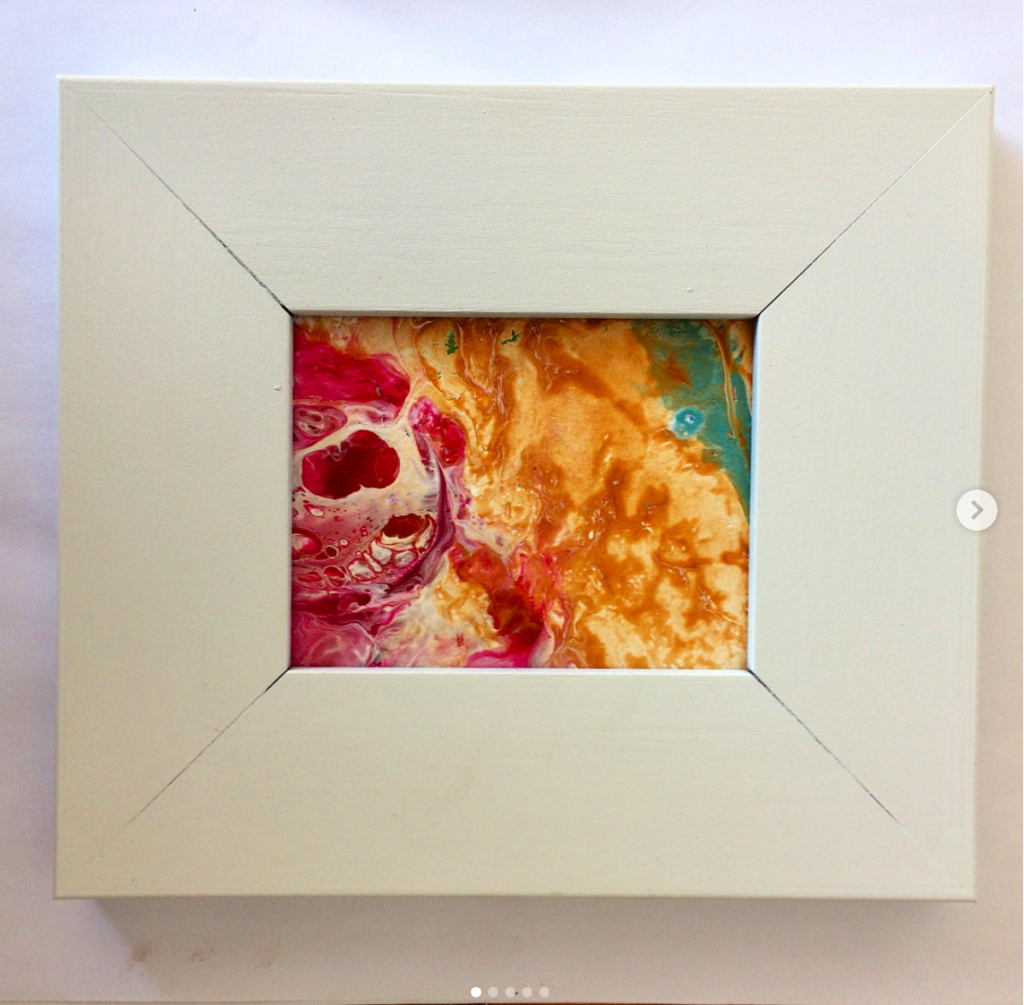
6. Keep Frames Light and Simple
Heavy, dark frames can sometimes make a small artwork feel visually heavier than it needs to.
For a compact room, I usually prefer no frame at all, especially with gallery-wrapped canvas, or a very simple lightweight frame.
A slim natural wood, white or understated frame can give the painting a finished look without overpowering it.
The artwork should still be the thing you notice first.
Let the Space Have Some Personality
I don’t think small rooms need to follow lots of strict decorating rules.
You can go bold with one oversized painting, create a busy gallery wall, arrange a neat series or use tiny original artworks to bring forgotten corners to life.
The most important thing is that the room feels like yours.
If you keep coming back to a painting, that matters more than whether an interior design rule says it is technically the “right” size.
You can also read my post on What Makes an Original Painting One of a Kind? if you’d like to know a little more about what makes original art so special.
Find an Original for Your Space
I have original abstract paintings in a range of sizes and colours, from small pieces for little corners to larger statement works.
Browse my available original paintings →
Frequently asked questions
Can large art work in a small room?
Yes. One large painting can create a strong focal point and may actually make a room feel less cluttered than lots of smaller decorative pieces.
Are gallery walls suitable for small spaces?
Absolutely. A gallery wall can add warmth and personality, especially if you enjoy a more layered or eclectic look.
What colours of artwork work best in small rooms?
Lighter colours can help a room feel airy and open, but you don’t need to avoid bold colour. The overall balance of the painting matters more than sticking to a strict palette.
Should I frame artwork in a small room?
You can, but lighter frames usually work best. Gallery-wrapped canvases also look lovely without any frame at all.
Zhanna Lutova is a painter, designer and art dealer based in Johannesburg, South Africa. From her West Rand studio, she creates richly textured abstract works using acrylics and mixed media, combining pouring, splattering, spinning and other experimental techniques. Drawing on decades of art and fashion design experience, Zhanna believes abstract art invites us to let go of perfectionism and discover our own meaning in every painting.